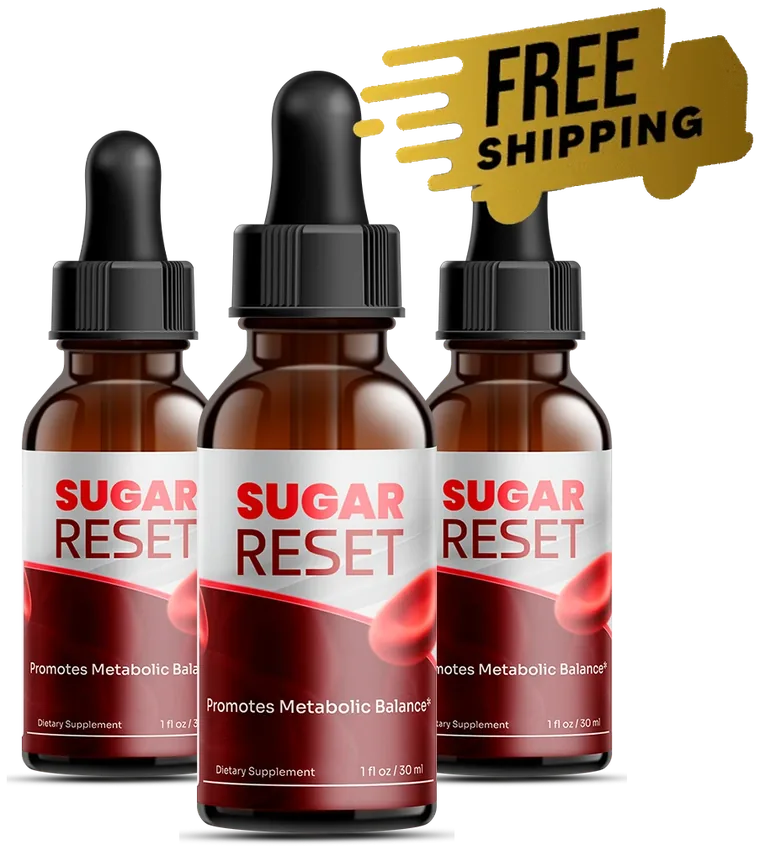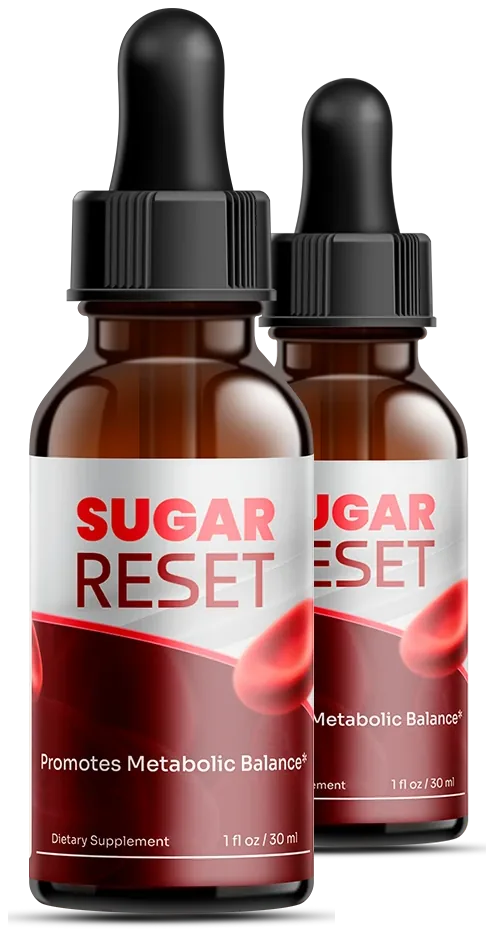
Sugar Reset Drops and the A1C test do not have a documented link: we found no study of Sugar Reset that measured A1C, and the label makes no A1C statement1. The test belongs to your doctor, not to a supplement.
Many people ask about an A1C number because they are worried about blood sugar. This post explains what NIDDK says the test shows, what the ranges mean, and why a supplement should never stand in for testing or care. Our blood sugar page covers the topic more broadly, and the prediabetes page covers the CDC figures.
We are an independent information site, not a clinic, and this is not medical advice.
No.01What does an A1C test show?
An A1C test shows your average blood glucose over about 3 months, according to NIDDK, and it is one of the tests doctors use to look for prediabetes and diabetes2.
It is usually a simple blood draw, and you do not need a special routine to get it. Because it is an average, one good or bad day does not decide the number. NIDDK also says a diagnosis normally needs a repeat test unless symptoms are clear2.
This is general information from NIDDK about the test. It is not a description of anything Sugar Reset does, and we make no link between the drops and any A1C figure.
It also helps to know what the test does not show. An average can hide swings, so a number that looks fine does not rule out lows or highs, which is why some people also use a home meter or other checks their doctor recommends.
No.02What do the A1C ranges mean?
NIDDK says below 5.7 percent is normal, 5.7 to 6.4 percent is prediabetes, and 6.5 percent or above is diabetes2.
| A1C result | Category | Source |
|---|---|---|
| Below 5.7% | Normal | NIDDK |
| 5.7% to 6.4% | Prediabetes | NIDDK |
| 6.5% or above | Diabetes | NIDDK |
Only your doctor can say what your own number means, because age, other conditions and past results all matter, and a single reading near a boundary is a reason for a conversation, not for alarm. NIDDK advises talking with your doctor about testing if you have risk factors2. CDC adds that prediabetes often has no symptoms, which is one reason testing matters3.
No.03Do the drops have anything to do with an A1C result?
We found no connection, because no published study of Sugar Reset exists and the label prints no A1C, blood sugar or insulin statement1.
The front label's "Promotes Metabolic Balance*" is the seller's wording, and the asterisk points to the FDA statement, which says FDA has not evaluated the claim1. That is not an A1C claim. NCCIH says a few supplements show weak evidence of possible blood sugar benefit, most lack evidence, and some carry serious risks4.
For the one item with a studied record, the label lists chromium at 0.7 mcg per serving1, while the NIH chromium fact sheet notes the American Diabetes Association does not recommend chromium for blood sugar control5. We offer that as context, not as a verdict on the product.
The rest of the blend lists 21 other items with no amounts, so no one can match the panel to studied doses. That is the main reason we will not link the drops to any lab number, up or down.
No.04Should the drops ever replace a test or a medicine?
No. A supplement should never replace testing, diabetes medicine, insulin or your doctor's advice, and NCCIH warns against replacing diabetes care with unproven products4.
If you take diabetes medicine or insulin, ask your doctor or pharmacist before the first dropper, because several blend items are discussed in NIH and MedlinePlus pages as possibly lowering blood sugar. NIDDK lists the signs of low blood glucose, including shakiness, hunger, dizziness, confusion and a racing heartbeat6.
Never skip, change or stop a medicine on your own. Our medications page explains the interaction topics, and our safety page lists who should ask a professional first.
No.05How should you prepare for an A1C conversation?
Prepare by listing every medicine and supplement you take, your symptoms and your questions, then let your doctor decide which tests make sense.
- Bring a full list of medicines and supplements, with the bottle or a photo of the panel.
- Say if you have noticed thirst, tiredness or other changes.
- Ask what your target range is and how often to be tested.
- Ask whether anything you take could affect your results or your medicines.
If a home meter or a doctor's result seems odd after you start a new supplement, tell your doctor rather than guessing at the cause. People worried about prediabetes may also want to read what CDC says about lifestyle change programs3. A supplement is not part of that program.
Finally, keep your own records. A small notebook with test dates, results and the medicines you take on those dates makes every visit easier, and it gives your doctor a clear picture without relying on memory.
Safety: Sugar Reset is a liquid dietary supplement sold for adults. Its label lists a 200 mg blend of 22 plant extracts, amino acids and compounds with no individual amounts, including caffeine sources (guarana, green tea), a licorice compound and grapefruit extract, and says that pregnant or nursing women, anyone under 18 and anyone with a known medical condition should consult a physician first. Ask your doctor or pharmacist before use if you take diabetes medicine or insulin, blood pressure medicine, a blood thinner, thyroid medicine, an antidepressant or any other medicine. Never change a prescribed medicine on your own, and do not use any supplement in place of diabetes care. Keep the bottle away from children and dogs (it contains xylitol).
Frequently asked questions
Does any study link Sugar Reset Drops to an A1C test?
We found no study of Sugar Reset that measured A1C, so we cannot say. Ask your doctor about testing and about anything you take.
Should I take Sugar Reset before an A1C test?
We cannot advise that. Tell your doctor or the lab what you take and let them decide how to handle it.
Can Sugar Reset replace my A1C monitoring?
No. A supplement cannot replace testing or diabetes care. Keep the checks your doctor has set.
What A1C number counts as prediabetes if I use Sugar Reset?
NIDDK puts prediabetes at 5.7 to 6.4 percent, whether or not you take any supplement. Your doctor interprets your own result.