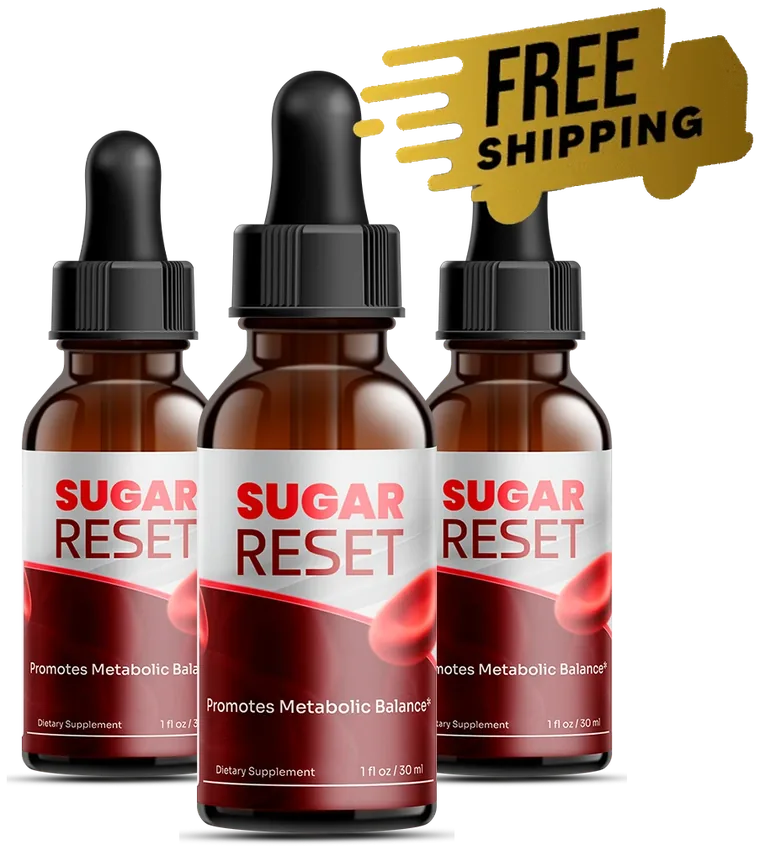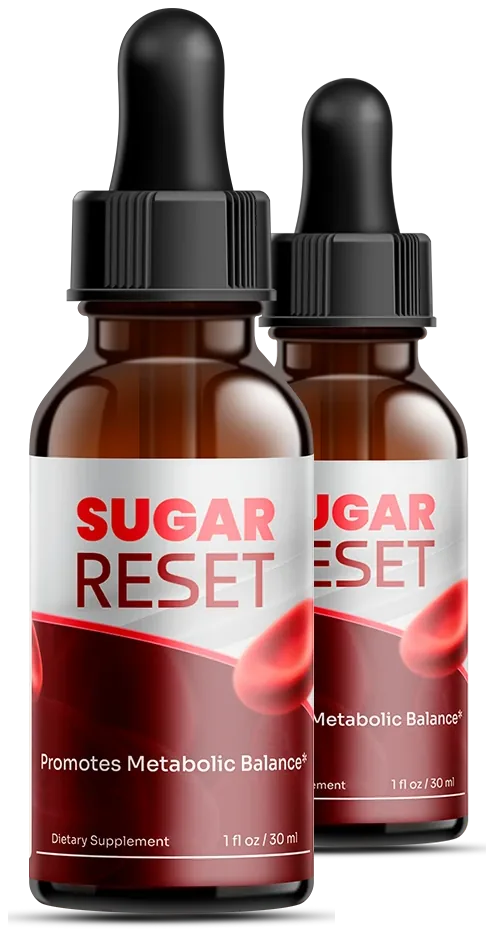
Sugar Reset Drops and prediabetes: we found no study of Sugar Reset Drops in people with prediabetes or a borderline A1C, and the drops are not a stand-in for testing, a lifestyle program or medical care. The front label carries the seller's wording "Promotes Metabolic Balance*" and nothing more specific1.
If a recent test put you in the prediabetes range, you are far from alone, and there is a lot you can do with your doctor. This page sets out what the Centers for Disease Control and Prevention and the National Institute of Diabetes and Digestive and Kidney Diseases say about prediabetes and the A1C test, what the Sugar Reset label actually prints, and the questions worth bringing to your next appointment. We are an independent information site, not the maker or seller.
No.01What is prediabetes, and how common is it?
Prediabetes means your blood sugar is higher than normal but not yet in the diabetes range. CDC says more than 2 in 5 US adults have it2.
It often has no symptoms at all2. That is why many people only find out after a routine blood test, sometimes ordered for another reason. Feeling well does not tell you where your numbers sit, and feeling tired or thirsty does not confirm anything either. The test result is what counts.
Prediabetes is a signal, not a sentence. CDC describes it as a stage where steady changes in daily habits can lower the chance of moving on to type 2 diabetes. It is also a stage where a doctor will usually want to recheck your numbers over time, so you can see the direction they are heading. For more background on the topic in general, see our blood sugar overview.
No.02How do you read an A1C result?
The A1C test shows your average blood glucose over roughly the past 3 months. NIDDK uses three ranges: normal, prediabetes and diabetes3.
| A1C result | What NIDDK calls it | Usual next step |
|---|---|---|
| Below 5.7% | Normal | Ask your doctor how often to retest, based on your risk factors |
| 5.7% to 6.4% | Prediabetes | Talk with your doctor about lifestyle change and follow-up testing |
| 6.5% or above | Diabetes | A repeat test is usually needed to confirm, unless symptoms are clear |
A single number near a boundary, such as 5.7% or 6.4%, is worth discussing rather than worrying over. NIDDK notes that a diabetes diagnosis normally needs a repeat test unless symptoms are clear3. If you have risk factors and have never been tested, NIDDK suggests talking with your doctor about testing.
A borderline result is simply a number to discuss with your doctor. Your doctor can explain what it means alongside your age, weight, family history and other results.
It can help to keep your own copy of each result, with the date. Over a year or two, a short list of A1C numbers tells a clearer story than any single test. Bring that list to appointments, especially if you see a new doctor or a specialist who may not have your earlier records.
No.03Has Sugar Reset Drops been studied for prediabetes?
No. We could not find any published study of Sugar Reset Drops in people with prediabetes, with diabetes, or in anyone at all.
The label shows what is in the bottle, not what it does. The Supplement Facts panel lists chromium (as chromium picolinate) at 0.7 mcg per 1 ml serving and a 200 mg proprietary blend of 22 items with no individual amounts1. Gymnema leaf extract, Panax ginseng and grapefruit fruit extract are among those 22 items, but the label does not say how much of any of them is present.
NCCIH, part of the National Institutes of Health, says a few supplements show weak evidence of a possible blood sugar benefit, most have no good evidence, and some carry serious risks4. The NCCIH page also warns that some herbs can interact with diabetes medicines, which is one more reason to check before you start4.
Without a study of this exact product, nobody can say what it would or would not do for an A1C. Our page on how Sugar Reset is said to work explains why a blend without amounts cannot be judged item by item.
No.04What does CDC say lowers the chance of type 2 diabetes?
CDC points to lifestyle change, delivered through the National Diabetes Prevention Program. In research, that program lowered the risk of type 2 diabetes by 58%, and by 71% for people over 602.
The program is a structured lifestyle change program. CDC highlights a few core goals:
- Losing a modest amount of weight, about 5% to 7% of your body weight, if you have weight to lose2.
- Getting at least 150 minutes a week of brisk physical activity, such as walking.
- Building eating habits you can keep over the long term.
- Tracking progress and working through setbacks rather than giving up after one.
Those figures come from a lifestyle program, not from any supplement. Your doctor or the clinic front desk can tell you whether a program is available near you or online, and whether you qualify.
None of this has to happen all at once. A ten-minute walk after dinner, swapping a sweet drink for water, or keeping a simple food diary for a week are all starting points people can build on. If walking is hard because of pain, balance or a heart condition, ask your doctor what kind of movement is safe for you. Chair exercises, water exercise and short, frequent walks all count toward activity.
No.05Can Sugar Reset Drops stand in for metformin or a care plan?
No. Sugar Reset Drops is a dietary supplement, not a medicine, and nothing about it replaces metformin, another prescribed medicine or the plan your doctor has made with you.
NCCIH is direct on this point: do not replace proven diabetes care with an unproven product, and tell all your health care providers about any supplement you take4. If you already take metformin or any other medicine, keep taking it exactly as prescribed. Do not change, skip or stop a dose because of a supplement, and talk to your doctor or pharmacist before you add one.
This matters for a second reason. Several items in the blend, including gymnema and ginseng, are described by NIH sources as possibly affecting blood sugar. Alongside diabetes medicine or insulin, that could add up in ways nobody has measured for this product. Our medicines page covers this in more detail, and our low blood sugar page lists the warning signs NIDDK describes.
No.06What should you ask your doctor about a borderline A1C?
Ask what your number means for you, how often to retest, and what you can change first. A short list of questions makes the visit easier.
- Is my A1C in the prediabetes range, and should we confirm it with another test?
- When should I be tested again?
- Am I eligible for a lifestyle change program, and can you refer me?
- What activity level is realistic for me, given my joints, heart and other health conditions?
- I am thinking about a supplement. Here is the bottle (or a photo of the panel). Is any ingredient a concern with my medicines or conditions?
Bring the bottle or a clear photo of the Supplement Facts panel and the other ingredients. That lets your doctor or pharmacist see the full 22-item list, not just the name on the front. Our ingredients page lists every item in label order if you want to read it first.
No.07Where does the Sugar Reset label caution fit in?
The label itself asks anyone with a known medical condition to consult a physician before using this or any dietary supplement1. Prediabetes is a reason to have that conversation first.
The same caution covers pregnant or nursing mothers and anyone under 18, says not to exceed the recommended dose, and asks you not to use the bottle if the safety seal is damaged or missing1. The suggested use is 1 or 2 droppers a day, with a serving size of 1 ml; the label does not print how much liquid one dropper holds.
If your doctor is comfortable with you trying the drops, keep your regular appointments and tests as planned. A supplement does not change what your care team needs to see. If you decide to look at buying options, you can see the live price, and our safety page sets out who should check with a professional before the first dropper.
Reference card
Where does an A1C result sit on the NIDDK ranges?
Type an A1C result from a lab report to see which range NIDDK places it in. This reads a number against published ranges. It does not diagnose anything, and nothing leaves your device.
Ranges from NIDDK, The A1C Test and Diabetes. A diagnosis needs a repeat test on a different day unless symptoms are clear, and a clinic's point-of-care test should not be used to diagnose. Talk with your doctor about your result and about testing if you have risk factors.
Pharmacy card
Build a note for your pharmacist
Tick what applies. You get the label items worth naming, with the reason our sources give. Take the note, the bottle and your medicine list to the pharmacy counter. Nothing leaves your device.
Your note
- Tick what applies. With nothing ticked, start here: show the pharmacist the whole Supplement Facts panel, because the 200 mg blend lists 22 items with no individual amounts.
These notes repeat cautions from the label and from MedlinePlus, NCCIH, NIH ODS and FDA pages cited on this site. They are not medical advice. Never change a prescribed medicine on your own.
Safety: Sugar Reset is a liquid dietary supplement sold for adults. Its label lists a 200 mg blend of 22 plant extracts, amino acids and compounds with no individual amounts, including caffeine sources (guarana, green tea), a licorice compound and grapefruit extract, and says that pregnant or nursing women, anyone under 18 and anyone with a known medical condition should consult a physician first. Ask your doctor or pharmacist before use if you take diabetes medicine or insulin, blood pressure medicine, a blood thinner, thyroid medicine, an antidepressant or any other medicine. Never change a prescribed medicine on your own, and do not use any supplement in place of diabetes care. Keep the bottle away from children and dogs (it contains xylitol).
Frequently asked questions
Is Sugar Reset Drops made for people with prediabetes?
The label does not mention prediabetes; it says "Promotes Metabolic Balance*", the seller's general wording. We found no study of Sugar Reset in people with prediabetes, so talk to your doctor before trying it.
Can Sugar Reset Drops change an A1C in the prediabetes range?
Nobody can say, because Sugar Reset has not been studied for that or anything else. Your A1C is something to track with your doctor, who will decide when to retest it.
I have borderline diabetes. Should I take Sugar Reset first or see my doctor?
See your doctor first. A borderline result needs follow-up testing and a plan, and the label asks anyone with a known medical condition to consult a physician before using a supplement.
Can I use Sugar Reset Drops instead of metformin?
No. Sugar Reset is a dietary supplement, not a medicine, and it should never replace metformin or any prescribed medicine; keep taking your medicines exactly as prescribed and ask your doctor or pharmacist before adding a supplement.
Is Sugar Reset part of the National Diabetes Prevention Program?
No. That program is a CDC lifestyle change program, and it does not involve any supplement. Ask your doctor or health plan how to join one near you or online.