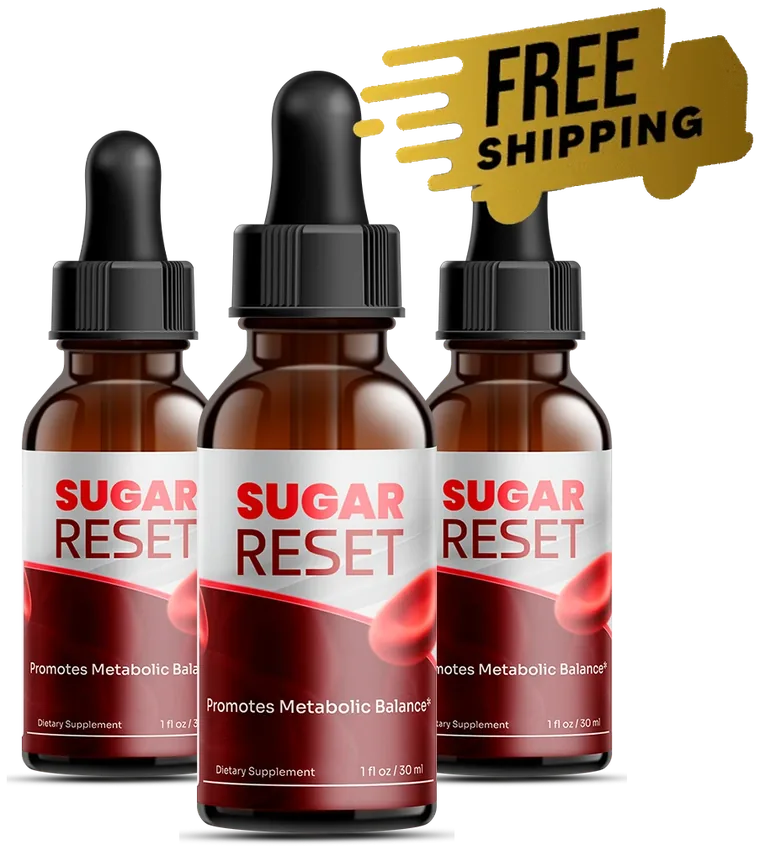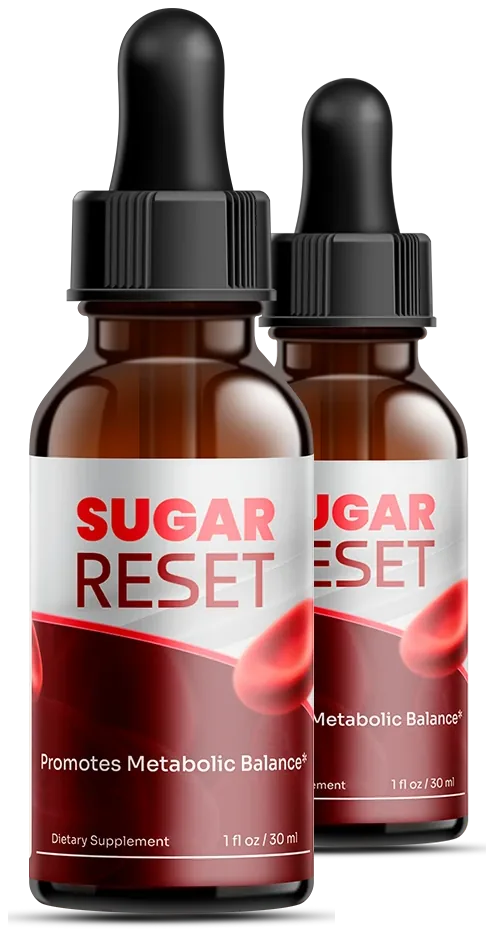
Sugar Reset Drops low blood sugar signs matter most to people who take insulin or other diabetes medicines, and NIDDK lists them as shakiness, hunger, tiredness, dizziness, confusion, a racing heartbeat, headache and trouble seeing or speaking1.
We found no study of Sugar Reset itself, so nobody can say whether the drops change blood sugar in anyone. This post is a plain checklist of the signs, written so you can recognize them and talk with your doctor. Our low blood sugar page goes deeper on the ingredient side, and the medications page covers other interactions.
We are an independent information site, not a clinic. Nothing here replaces your diabetes plan.
No.01What are the low blood sugar signs NIDDK lists?
NIDDK describes low blood glucose, for many people with diabetes, as a reading below 70 mg/dL, with signs that can start suddenly1.
The signs it names are below. Not everyone gets all of them, and some people get none until a reading is quite low.
- Shakiness or a racing heartbeat
- Hunger
- Tiredness or dizziness
- Confusion or irritability
- Headache
- Trouble seeing or speaking
Many of these also have everyday causes, so a meter reading is the only sure way to tell. If you use a meter, your care team tells you how often to check.
No.02Why does this come up with Sugar Reset Drops?
It comes up because the label lists chromium and several blend items that NIH sources say may lower blood sugar in some settings2.
NIH says chromium can interact with insulin and other diabetes medicines, with a chance of low blood sugar3. MedlinePlus says gymnema may affect blood sugar and may interact with diabetes medicines4. The label gives no amount for gymnema or for any other blend item2, so there is no way to size the effect.
NCCIH adds that herbs can interact with diabetes medicines and that you should tell your providers what you take5. We say nothing about whether the drops do this. We only point to what NIH says about the label items.
No.03Who has a higher chance of a low reading?
NIDDK says the chance is higher if you use insulin, sulfonylureas or meglitinides, are 65 or older, or have kidney or heart disease1.
| Your situation | What NIDDK says | What to do first |
|---|---|---|
| Insulin or other diabetes medicine | Higher chance of lows | Ask your doctor or pharmacist before the first dropper |
| Age 65 or older | Higher chance of lows | Bring the bottle or a photo of the panel to your visit |
| Kidney or heart disease | Higher chance of lows | Ask your doctor first |
| No diabetes medicine | Lows are less common | Still read the label caution |
The label itself says people with a known medical condition should consult a physician before using this or any dietary supplement2.
No.04What does NIDDK say to do about a low reading?
NIDDK describes the 15-15 rule: have 15 to 20 grams of fast-acting carbohydrate, then recheck after 15 minutes1.
That is general guidance, and your own plan may differ, so follow what your doctor gave you. NIDDK also says a severe low, with passing out or a seizure, needs glucagon and a call to 9111.
If you ever feel unwell after taking any supplement, stop and call your doctor or pharmacist for advice, and do not change any medicine on your own. You can report a problem to FDA through MedWatch6.
No.05How can you bring this up with your doctor?
The simplest way is to bring the bottle, or a photo of the Supplement Facts panel, and ask whether anything on it fits your medicines.
- List every medicine and supplement you take, including this one.
- Point to chromium and the 22-item blend, and say the label gives no blend amounts.
- Ask what signs to watch for and what to do if they appear.
- Ask if your usual checks need to change. Let your doctor decide that.
Keep the bottle away from children and dogs. The label lists xylitol, which FDA warns is dangerous to dogs.
No.06What does this checklist leave out?
This checklist leaves out any claim about what the product does to blood sugar, because we found no study of the product and will not guess.
It also leaves out dose advice. The label says to take 1 or 2 droppers full daily and not to exceed the recommended dose2, but it does not print how much liquid a dropper holds, and the Supplement Facts serving is 1 ml2. That gap means the daily amount is unclear, and a pharmacist is the right person to help you read it.
Lastly, the signs above are general. Older adults, people with kidney disease and people who skip meals may notice them differently. Our safety page lists who should ask a professional first, and the who it is for page explains why we describe the audience carefully. If a sign is sudden, strong or new, call your doctor or emergency services rather than wait to see whether it passes.
Safety: Sugar Reset is a liquid dietary supplement sold for adults. Its label lists a 200 mg blend of 22 plant extracts, amino acids and compounds with no individual amounts, including caffeine sources (guarana, green tea), a licorice compound and grapefruit extract, and says that pregnant or nursing women, anyone under 18 and anyone with a known medical condition should consult a physician first. Ask your doctor or pharmacist before use if you take diabetes medicine or insulin, blood pressure medicine, a blood thinner, thyroid medicine, an antidepressant or any other medicine. Never change a prescribed medicine on your own, and do not use any supplement in place of diabetes care. Keep the bottle away from children and dogs (it contains xylitol).
Frequently asked questions
What are the low blood sugar signs to watch for with Sugar Reset?
NIDDK lists shakiness, hunger, tiredness, dizziness, confusion or irritability, a racing heartbeat, headache, and trouble seeing or speaking. We found no study showing Sugar Reset changes blood sugar either way.
Should I check my blood sugar more often if I try Sugar Reset?
Ask your doctor or pharmacist before the first dropper, since they know your plan. We cannot tell you to change how you check or what you take.
Is Sugar Reset a replacement for my diabetes medicine?
No. NCCIH says not to replace diabetes care with unproven products, and we found no study of Sugar Reset. Keep following your doctor's plan.
Where do I report a bad reaction to Sugar Reset?
Tell your doctor first, then you can report it to FDA through MedWatch. Keep the bottle and any order email with you.